
How can infrastructure be criminal? How does a road, a prison, a suburban neighbourhood or a dam become a perpetrator of violence and insecurity? Material Crimes answers these questions. Each episode investigates a different piece of infrastructure, tracing its global, colonial connections across time and space. The series shows us how physical sites of everyday life are linked to networks of private and public actors who profit from violence inflicted on spaces and communities on the margins. The series also shines a spotlight on the people-powered movements exposing and challenging the many crimes of infrastructure.
Season 1
Season 2
Season 3
︎︎︎ About the Project
︎︎︎ Listening Station at Whitechapel Gallery
︎︎︎ Listening Station at Rich Mix
︎︎︎ A Guide to Making an Episode
Season 1
Season 2
Season 3
︎︎︎ About the Project
︎︎︎ Listening Station at Whitechapel Gallery
︎︎︎ Listening Station at Rich Mix
︎︎︎ A Guide to Making an Episode
Sort by
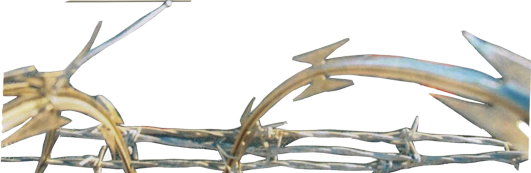
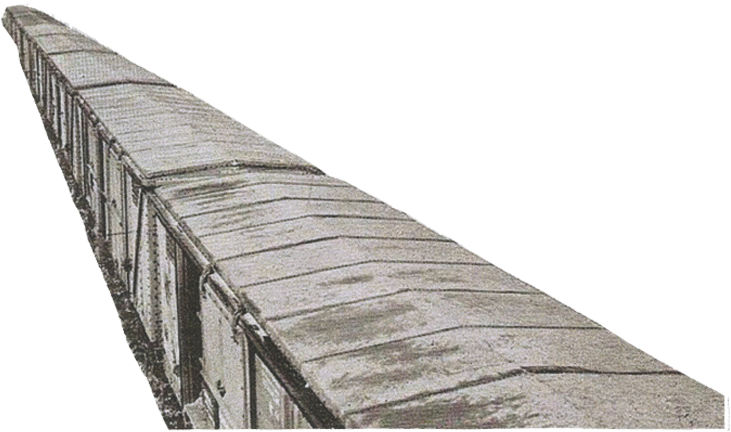

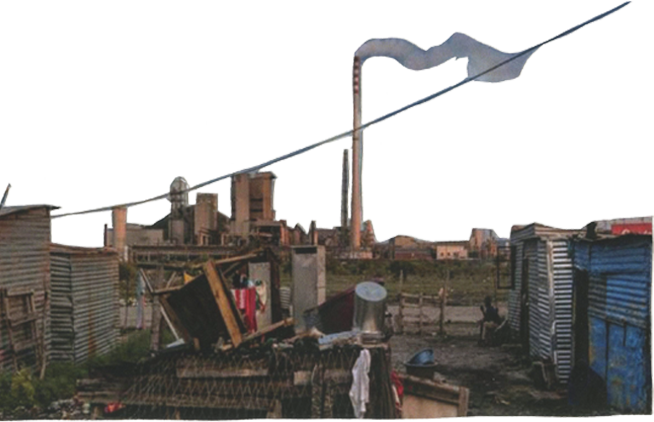


“He Fell from a Piece of Soap”*

On 27th September 1969, a healthy man supposedly falls down a set of stairs in police custody, and dies a few days later. But these aren’t just any stairs, and this isn’t just any man. Imam Abdullah Haron was an anti-apartheid activist, arrested by South Africa’s notorious security services for campaigning against apartheid. It took over 50 years to reopen the inquest into Imam Haron’s death, and for his family to hear a judge admit he was murdered. In this episode, Robyn Gill-Leslie investigates the cover-up of Imam Haron’s death. Speaking to Zaid Kimmmie, Steve Naidoo, Enver Samuel and Gina Snyman, she uncovers the infrastructures that shielded apartheid systems of torture and abuse – and those inflicting it - from justice. But along the way, she learns that justice doesn’t live in stuffy courtrooms, and discovers uncomfortable truths about how apartheid endures in the absence of criminal accountability in the decades since the Truth and Reconciliation Commission closed its doors.
*The title of this episode is an excerpt from Chris Van Wyk’s poem “In Detention” (1979).
*The title of this episode is an excerpt from Chris Van Wyk’s poem “In Detention” (1979).
Useful Links
The Imam Haron Foundation: www.imamharon.com
Enver Samuel’s documentaries: www.thetruthbetold.co.za
The Imam’s Re-opened Inquest: www.youtube.com
The Foundation for Human Rights: www.unfinishedtrc.co.za
Enver Samuel’s documentaries: www.thetruthbetold.co.za
The Imam’s Re-opened Inquest: www.youtube.com
The Foundation for Human Rights: www.unfinishedtrc.co.za
Further Reading
Barney Desai and Gardiff Marney. The Killing of the Imam: South African Tyranny Defied by Courage and Faith (Quartet Books: 1978).
Robyn Gill-Leslie. ‘A Substantial Part of the Trauma was Caused by an Accidental Fall’: Liminal Spaces and Post-Apartheid Accountability in South Africa,” The International Journal of Human Rights 30:1 (2026), pp.84-101.
Adam Sitze. The Impossible Machine: A Genealogy of South Africa's Truth and Reconciliation (University of Michigan: 2013).
Robyn Gill-Leslie. ‘A Substantial Part of the Trauma was Caused by an Accidental Fall’: Liminal Spaces and Post-Apartheid Accountability in South Africa,” The International Journal of Human Rights 30:1 (2026), pp.84-101.
Adam Sitze. The Impossible Machine: A Genealogy of South Africa's Truth and Reconciliation (University of Michigan: 2013).

Robyn Gill-Leslie’s work focuses on corporeal, aesthetic and creative approaches to truth recovery after atrocity with a particular focus on South Africa’s truth-finding mechanisms. Her interdisciplinary work combines deconstructive, decolonial and reflective approaches, and she has a special interest in how the physical body is framed inside and outside of truth recovery.